“I like to use Soviet control panels as a starting point.”
One of my favourite genres is “I’m going to teach you something secretly while you’re having fun.”
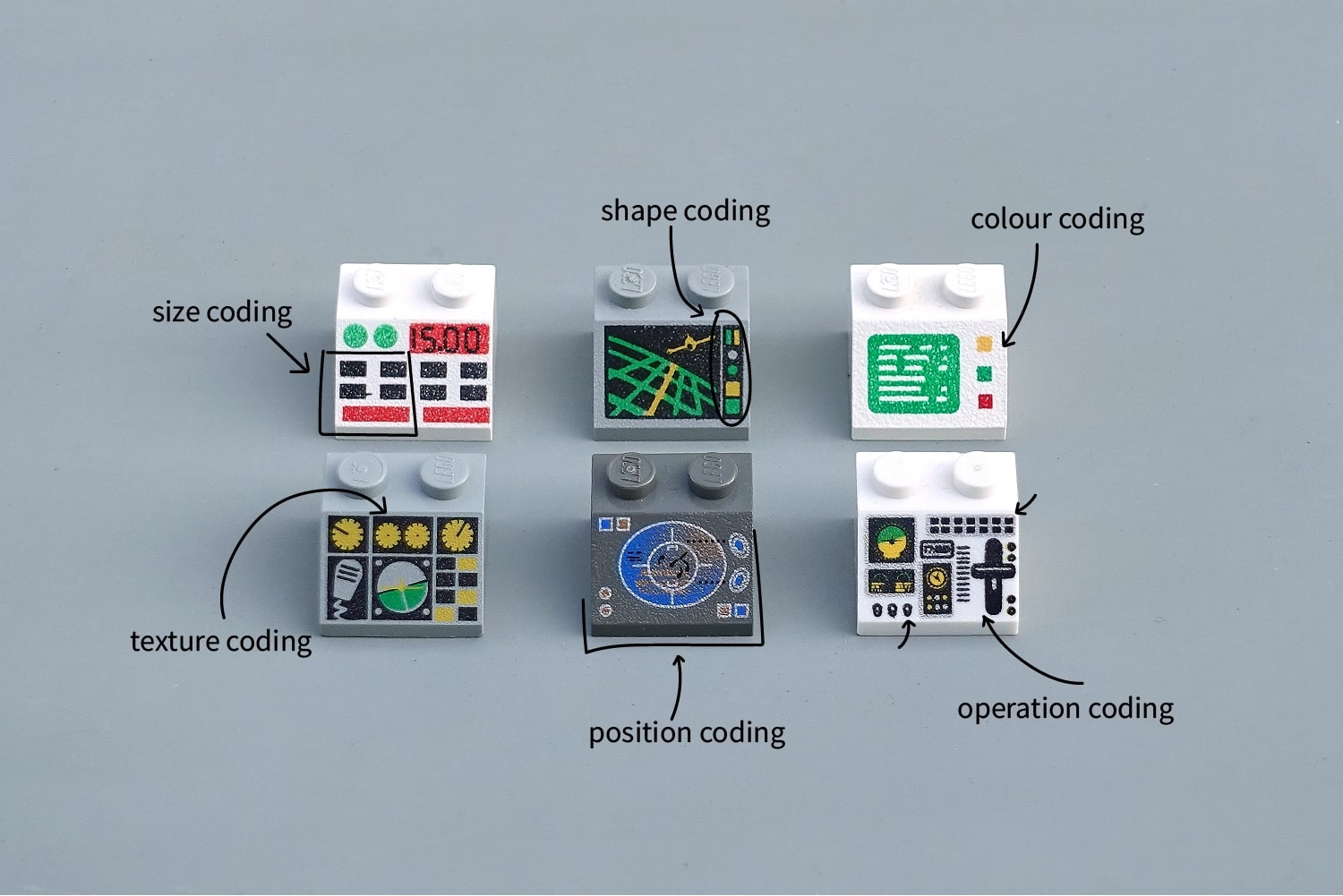
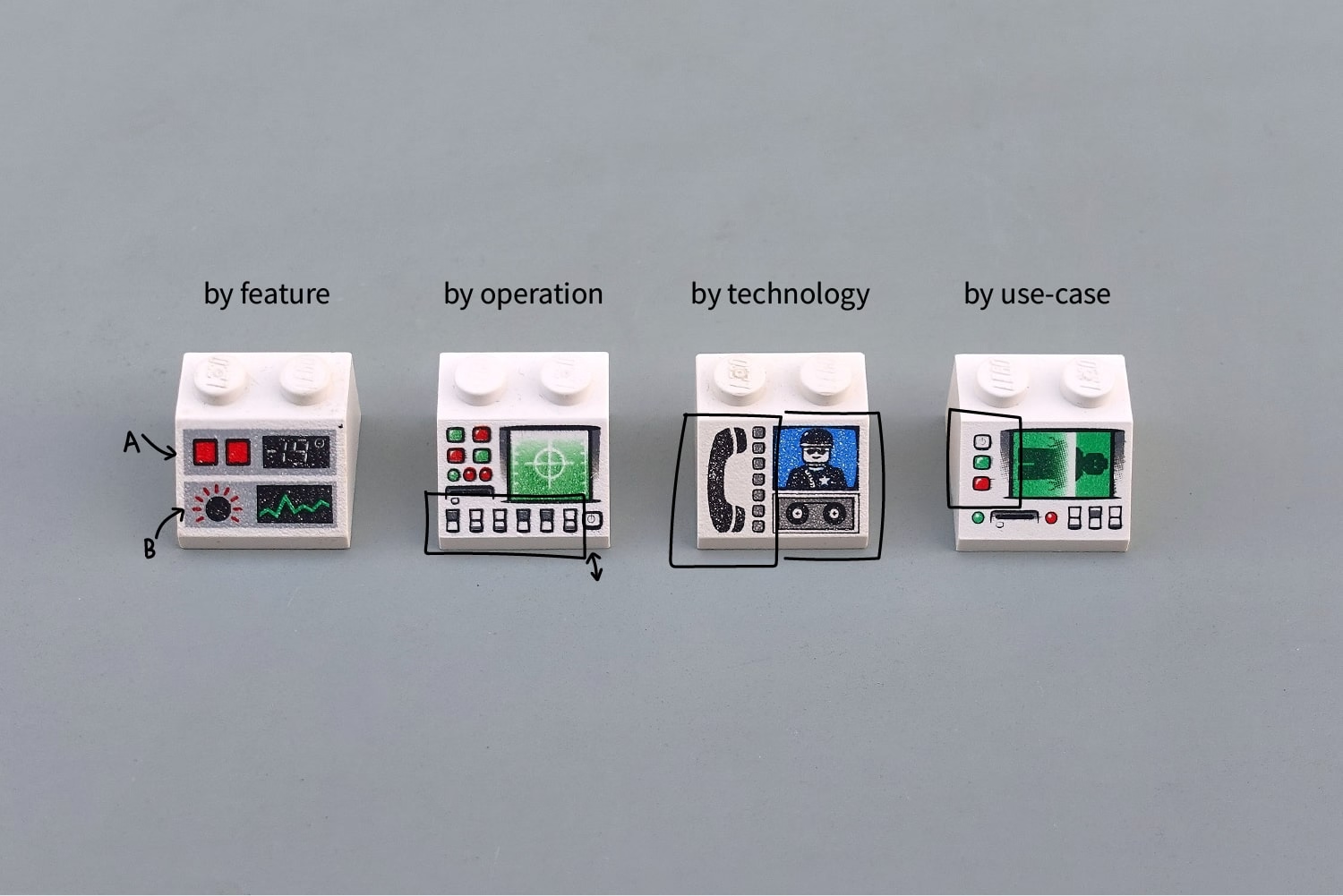
This 2020 post by George Cave is ostensibly about Lego interface panels, but quietly sneaks in some stuff about shape coding and other kinds of coding:
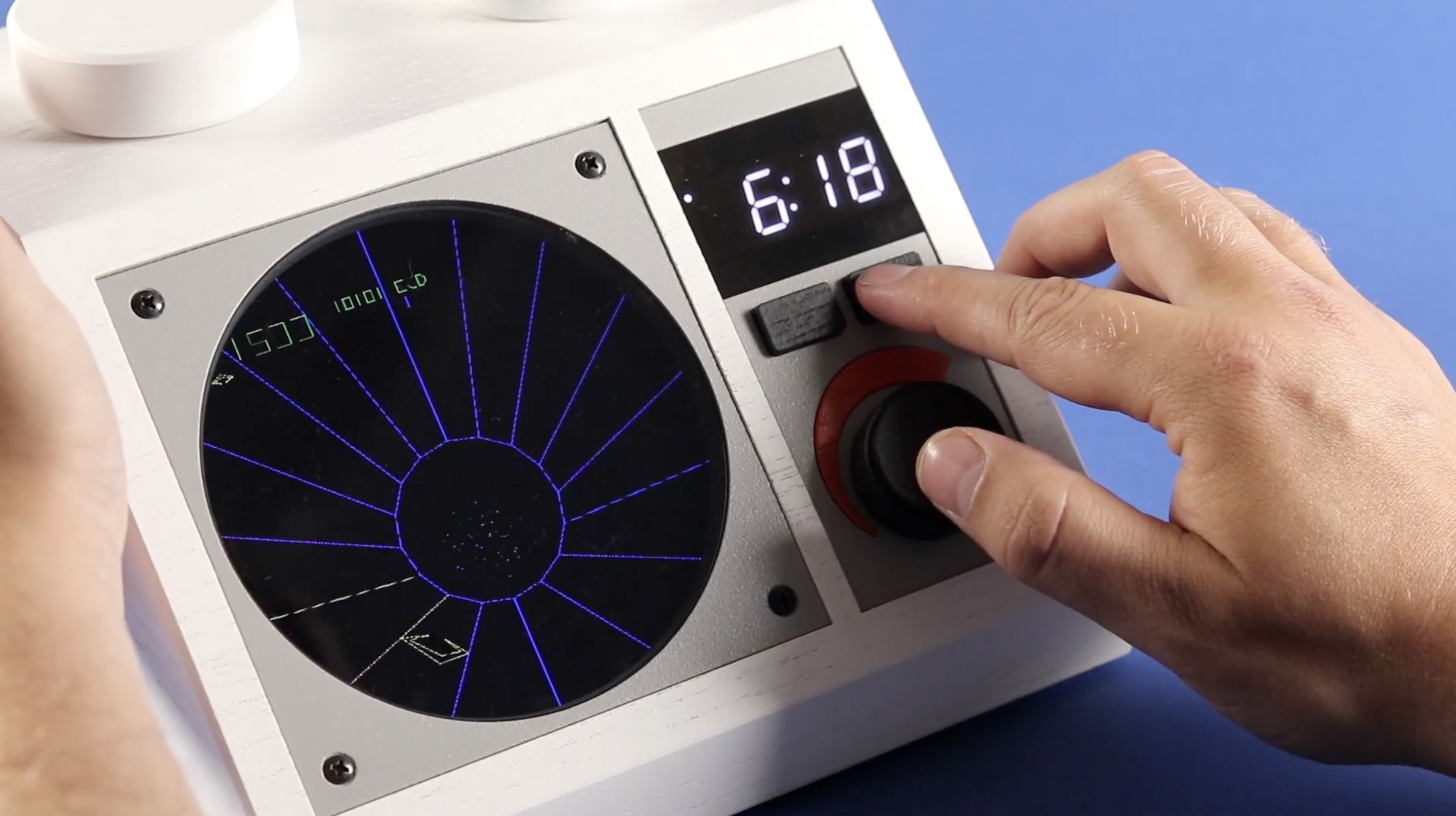
The Lego interface panels seem to have a certain hold on people. Artist Love Hultén recreated some of them in a more human-compatible scale and even made them interactive:

It was fun to see one of the most well-crafted of early arcade games, Tempest, in this kind of a view, with the stud reimagined as a paddle controller:
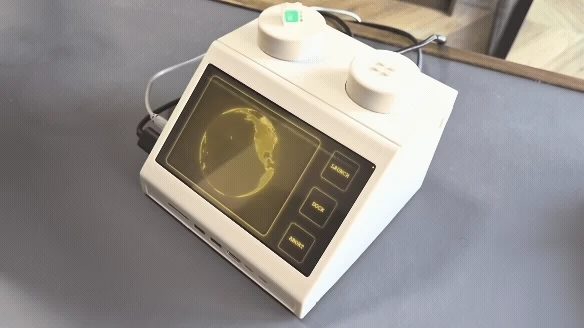
Just earlier this month, designer Paul Stall announced his project M2x2 (the page itself is beautiful and interesting to visit – I paticularly loved the horizontal galleries):
The M2x2 is a functional homage to the classic Lego computer brick, upscaled and re-imagined as a high-performance workstation. […]
If our tools could look as playful as the things we built as kids, would we approach our work with more joy? The M2x2 is just the beginning of a workspace that feels less like an office and more like a laboratory for breakthroughs.
But both of these are enlarged Lego bricks. Three years ago, James Brown a.k.a. Ancient made an effort to embed an LCD screen in a regular-size Lego brick. It’s a fun 12-minute video of the construction process:

If you are into that kind of stuff, Brown followed it up 2 months later by putting a playable Doom inside a Lego brick:
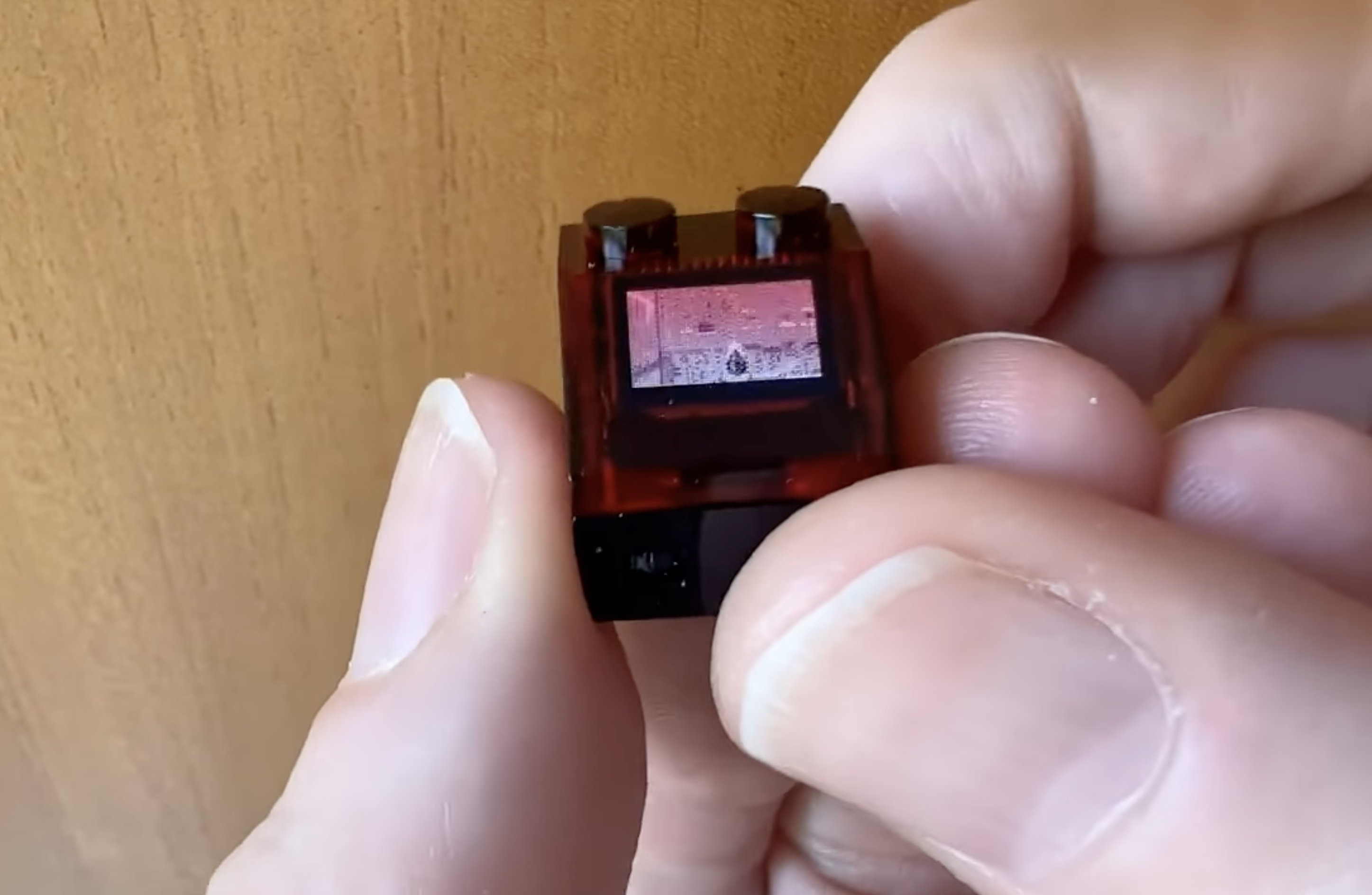
But the most amazing to me outcome was this video, called “Busy little screens”:
A lot of diversity of the original bricks is gone, but it’s hard to expect Brown to recreate and animate them all. It’s a mesmerizing thing to watch nonetheless; one can almost taste a future where the technology will allow for Lego bricks to be animated, but look exactly as they originally did.